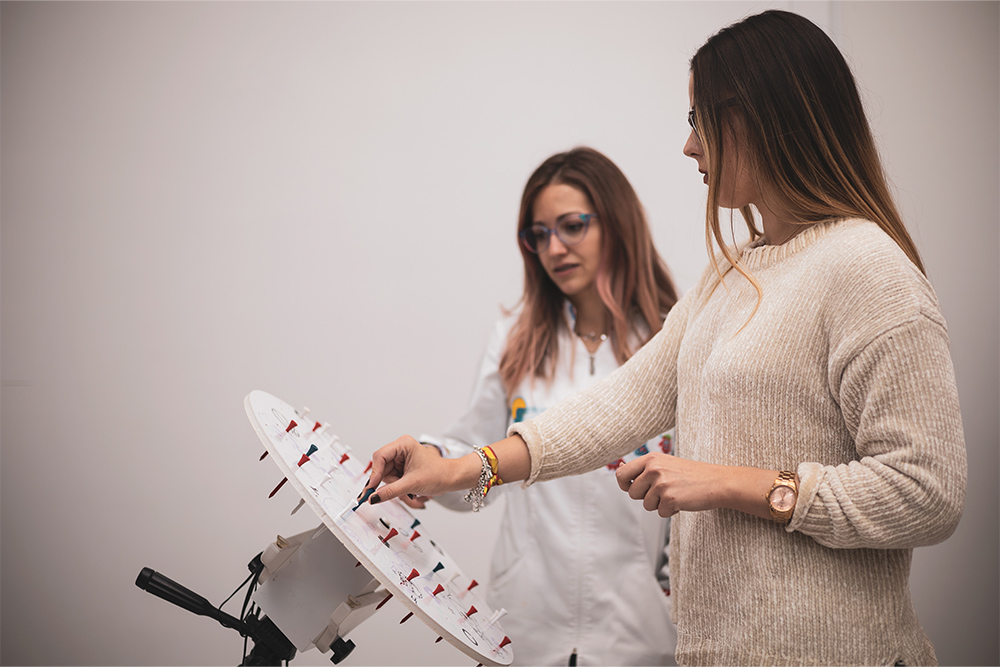
Vision Therapy

Improve the Way Your Eyes and Brain Work Together

Vision is about much more than seeing 20/20. It also involves how your eyes move, focus, work together, and communicate with your brain. When these visual skills aren't functioning properly, everyday activities like reading, learning, driving, working on a computer, or playing sports can become frustrating and exhausting.

Vision therapy is a personalized, non-surgical treatment program designed to strengthen these visual skills and improve how your brain processes visual information. Whether you're struggling with eye strain, double vision, reading difficulties, or recovering from a brain injury, vision therapy may help improve visual comfort, efficiency, and confidence.

border-radius: 20px; overflow:hidden;

What Is Vision Therapy?

Vision therapy is an evidence-based program of customized eye exercises and activities designed to improve the connection between the eyes and the brain. Unlike glasses or contact lenses that simply correct blurry vision, vision therapy addresses the underlying visual skills needed for comfortable, efficient vision. Each treatment plan is tailored to the individual and typically includes a combination of in-office therapy sessions and guided home activities to reinforce progress.

Who Can Benefit from Vision Therapy?

Vision therapy can benefit both children and adults experiencing a variety of visual conditions, including:

  • Lazy eye (Amblyopia)

  • Crossed eyes (Strabismus)

  • Double vision

  • Convergence insufficiency

  • Eye tracking problems

  • Eye focusing disorders

  • Visual processing difficulties

  • Eye teaming disorders

  • Reading and learning-related vision problems

  • Visual fatigue or eyestrain

  • Sports vision challenges

  • Vision problems following a concussion or traumatic brain injury

Signs You May Benefit from Vision Therapy

Many people don't realize their symptoms may be related to an underlying visual dysfunction.

Common signs include:

  • Frequent headaches while reading

  • Eye strain or fatigue

  • Double vision

  • Blurred vision

  • Difficulty concentrating during near work

  • Losing your place while reading

  • Poor reading comprehension

  • Short attention span during schoolwork

  • Squinting or excessive blinking

  • Covering or closing one eye

  • Head tilting while reading

  • Difficulty copying from a board or screen

  • Poor hand-eye coordination

  • Light sensitivity

  • Dizziness related to visual tasks

If you or your child experience several of these symptoms, a comprehensive vision therapy evaluation may help identify the cause.

How Vision Therapy Helps

Vision therapy works by improving the essential visual skills we use every day.

Eye Tracking - Develop smoother, more accurate eye movements needed for reading, writing, sports, and following moving objects.

Eye Teaming - Train both eyes to work together comfortably to reduce double vision and improve depth perception.

Focusing Skills - Improve the ability to shift focus quickly and clearly between near and far distances, making classroom learning, computer work, and driving easier.

Visual Processing - Strengthen how the brain interprets and responds to visual information, improving efficiency with reading, learning, and everyday activities.

Depth Perception - Enhance three-dimensional vision to improve coordination, balance, sports performance, and spatial awareness.

Vision Therapy After Concussion or Brain Injury

Vision problems are among the most common yet overlooked effects of a concussion, stroke, or acquired brain injury. Even when eyesight appears normal, the brain's ability to process visual information may be affected.

Vision rehabilitation may help individuals experiencing:

  • Double vision

  • Blurred vision

  • Difficulty focusing

  • Light sensitivity

  • Eye movement problems

  • Dizziness

  • Visual fatigue

  • Difficulty reading

  • Trouble scanning environments

  • Reduced attention and concentration
    ​​​​​​​

Following a comprehensive evaluation, treatment may include vision therapy, specialized lenses, prism lenses, tinted lenses, and other customized solutions designed to reduce symptoms and improve visual function. Our team also works collaboratively with other healthcare providers involved in your recovery when appropriate.

What to Expect

Your first visit includes a comprehensive vision therapy evaluation that goes beyond a routine eye exam. We assess how your eyes move, focus, work together, process visual information, and function during everyday tasks.

Based on your results, we'll develop a customized treatment plan designed specifically for your visual needs and goals.

Most therapy programs include:

  • Weekly in-office therapy sessions

  • Personalized home exercises

  • Progress evaluations throughout treatment

  • Ongoing communication about your improvements
    ​​​​​​​

No two therapy programs are exactly alike because every patient's visual system is unique.

Frequently Asked Questions

Is vision therapy only for children?

No. Vision therapy can benefit children, teens, and adults experiencing visual dysfunction, including those recovering from concussions or brain injuries.

How long does vision therapy take?

Treatment varies depending on your diagnosis and goals. Most programs involve weekly office visits combined with home activities over several months.

Will insurance cover vision therapy?

Coverage varies by insurance plan and diagnosis. Our team can help review your benefits and discuss available options.

Schedule a Vision Therapy Evaluation

If you or your child experiences headaches while reading, double vision, difficulty focusing, poor tracking, or lingering visual symptoms after a concussion or brain injury, vision therapy may help.

Contact our office today to schedule a comprehensive vision therapy evaluation and learn whether a customized treatment program is right for you.